
Content page
From [Institution name]
Evaluation of the Learn-to Camp Program
Final Report April 2026
List of tables
List of figures
- Figure 1: LTC timeline
- Figure 2: LTC Urban Hubs 2017-2025
- Figure 3: LTC engagement and experience continuum, 2017-2024
- Figure 4: Program governance and Ottawa Urban Hub
- Figure 5: Urban Hub organizational structure
- Figure 6: Learn-to Camp logic model, 2017-2024
- Figure 7: Parks Canada policy and strategy alignments timeline
- Figure 8: LTC target audiences, 2011 to 2024
- Figure 9: Reported ages, LTC overnight campers 2017-2023
- Figure 10: LTC key performance indicator , 2017-2024
- Figure 11: Total LTC reach per year, 2017-2024
- Figure 12: Yearly average reach by Urban Hub
- Figure 13: Outreach contacts and LTC participants, 2017-2024
- Figure 14: Exposure and experience participation, 2017-2024
- Figure 15: Reported learning outcomes of LTC overnight events, 2017-2023
- Figure 16: Overall satisfaction rating, LTC feedback form
- Figure 17: % Agreement increased confidence to camp
- Figure 18: Any remaining barriers to camping, 2017-2023
- Figure 19: % Respondents who identified specific barriers
- Figure 20: % Agreement interest in heritage places and connection to nature
- Figure 21: LTC budget allocations, 2022-23 to 2026-27
- Figure 22: LTC Urban Hubs financial planning cycle
- Figure 23: LTC program design for costs and distance barriers, 2017 to 2024
Publication information
Office of Internal Audit and Evaluation
Parks Canada30 Victoria Street
Gatineau, QC J8X 0B3
© His Majesty the King in Right of Canada, represented by the Chief Executive Officer of Parks Canada Agency, 2025.
CAT. NO
ISBN
Ce document est disponible en français.
About the Evaluation
Evaluation of the Learn-to Camp Program
Evaluation Questions
- To what extent does the Learn-to Camp Program address the needs and interests of its target groups?
- To what extent does the Learn-to Camp Program align with Parks Canada strategic priorities, as well as federal government priorities?
- To what extent do the Learn-to Camp program components meet their objectives and targets?
- To what extent does the program’s design, including its regional hub model, contribute to the efficient delivery of Learn-to Camp and Learn-to Paddle activities and events?
Consistent with the requirements of the Treasury Board Policy on Results (2016) and associated Directive on Results and Standard on Evaluation, this evaluation of Parks Canada’s Learn-to Camp Program examines the effectiveness, efficiency, and relevance of the program for the period between 2017-18 and 2024-25.
The scope includes all Learn-to Camp events held in-person as well as virtual workshops. Other communication channels were not considered.
Parks Canada evaluation staff conducted field work between August 2024 and July 2025. Data from multiple lines of evidence were collected for the evaluation.
These included:
- Reviews of program planning and administrative documents
- Key informant interviews of Parks Canada staff as well as local program partners
- A review of program data, including financial information, LTC’s attendance database, and user feedback
- A media scan of articles published on the Learn-to Camp program
Program Profile
Learn-to Camp 2011-2026

Figure 1: LTC timeline
Timeline of the LTC Program between 2011 and 2026 showing key milestones.
2011 Initial year of the LTC Program, focused on overnight camping experiences
2015 LTC day events added
2016 LTC pilot testing new programming
2017 Launch of the expanded LTC at six urban hubs
2020 Virtual LTC events added
2021 Paddle, Ski, and Snowshoe Learn-to events added
2022 Renewed LTC starts new five-year cycle
2026-27 LTC funding sunsets
The Learn-to Camp (LTC) Program was initiated in 2011, with the goal of minimizing barriers to nature through learning camping skills and enjoying nature-based activities. Through its first five years, the Program focused on overnight camping events designed to provide novice campers with the basic skills needed to camp safety and independently, while also experiencing iconic camping activities, such as outdoor games, campfires, and roasting marshmallows. Initial target audiences included new Canadians and families with young children living in urban centres.
In 2016, Parks Canada received $6.3 million over five years (2016-17 to 2020-21) to significantly expand the Program and broaden its reach across Canada.
By 2017, six urban hubs, led by a coordinator and staffed primarily by students, were established in Halifax, Montreal, Ottawa, Toronto, Edmonton, and Vancouver, each offering a mix of overnight events, workshops, and outreach activities to local audiences, often by working in partnerships with local community organizations. An additional hub also operated in Saskatoon between 2019 and 2023.
In 2020, with the onset of the COVID-19 pandemic, LTC was adapted to deliver digital activities and resources as well as physically-distanced outdoor events.
In-person programming and outreach activities fully resumed in 2023, and the post-pandemic phase saw an expansion of other “Learn-to” activities, introducing the basic skills needed for outdoor activities such as hiking, fishing, skiing, and paddling.
Funding for another five-year cycle (2022-23 to 2026-27) was approved in Budget 2021, set at $5.95 million.
Program Design
The initial LTC Program (2011 to 2016) was created during a period of lessening visitation across the national parks. This trend, which has since reversed, fostered greater interest in underrepresented groups within Parks Canada’s visitor base and motivated research into barriers to spending time in nature..
Explorations of academic literature, reports from nature advocacy organizations, camping trends, and Parks Canada visitor information identified New Canadians, families with young children, and urban residents as key target groups.
Research also identified three common barriers to enjoying camping and outdoor recreation faced by these populations, which were:
- knowledge and skill gaps around camping and other outdoor activities;
- distance from urban areas to parks and outdoor recreation sites; and,
- costs associated with equipment, entry fees, and transportation.
Since 2011, all three barriers have informed LTC’s program design, guiding the creation of new activities as well as the Program’s overall re-structuring and expansion in 2017.
Knowledge and Skill Gaps
Whether to raise awareness or build skills (see p. 12), the focus of virtually all LTC content relates to nature, camping, and outdoor recreation.
Distance Barriers
Considerations for distance informed the creation of LTC’s urban hubs (see Figure 2), basing program delivery in cities and close to target audiences. Most offerings were designed for mobility, with staff able to bring pop-ups and activity kits to schools or community centres. Hub staff also considered distance when planning overnight events, prioritizing urban and transit-accessible locations when possible.

Figure 2: LTC Urban Hubs 2017-2025
Map of Canada showing the location of LTC hubs in Vancouver, Edmonton, Saskatoon, Toronto, Ottawa, Montreal, and Halifax.
Cost Barriers
The majority of LTC offerings, like outreach and workshops, were free to participants, while more intensive activities, such as paddling or camping events, had fees set below cost-recovery levels to maintain affordability.
Key Program Objectives
Supported by an investment of $6.3 million over five years, the 2017 expansion marked a shift in LTC objectives, from a narrower focus on skill-building to a broader initiative designed to reach large numbers of urban Canadians.
While the original LTC engaged roughly 16,000 novice campers between 2011 and 2016, the expanded version has aimed to connect with 100,000 Canadians annually. Rather than seeking to achieve this through camping events, which are resource-intensive and have set limits on participant numbers, LTC staff developed new offerings (see below) designed to meet the Program’s two key objectives:
- Maximizing LTC’s reach to raise awareness of camping, outdoor activities, and Parks Canada places among target audiences, and;
- Minimizing barriers to camping, nature, and outdoor recreation among those who experience them by teaching new skills and providing opportunities to try new activities.
See Logic Model (p. 14) for an overview of outcomes and indicators.
Program Offerings
With outreach and skill -building as key goals, the 2017 expansion re-imagined “Learn-to Camp” as a three-part continuum of activities with distinct aims, as illustrated in Figure 3.

Figure 3: LTC engagement and experience continuum, 2017-2024
A horizontal three-stage diagram showing a progression from “Awareness” to “Exposure” to “Experience”.
Under “Awareness,” the text reads: “Brief outreach activities designed to spark interest,” with two examples: “Pop-up outreach in public spaces” and “Outreach at festivals and other large events.”
Under “Exposure,” the text reads: “Facilitated introductions to camping and outdoor skills,” with four examples: “Workshops,” “Virtual events,” “Camping day events,” and “Evening campfires.”
Under “Experience,” the text reads: “Immersive hands-on learning,” with two examples: “Overnight camping events” and “Learn-to events focusing on activities such as paddling, skiing, and fishing.”
Awareness events aim to spark interest in outdoor activities using staffed pop-up tents deployed to public spaces with games, quizzes, and fun facts about wildlife, camping gear, national parks, and nature-based activities.
Exposure events aim to increase interest and foster confidence by teaching simpler outdoor skills via workshop-like activities. Also designed for mobility, exposure events can be held in schools, libraries, parks, or community centres.
Experience events aim to foster long-lasting connections to nature by introducing complex skills needed to camp, paddle, ski, etc. Events are immersive and participants experience real outdoor activities in a supportive setting.
Governance
The LTC Program is overseen by the Visitor Service and Activities team within the External Relations and Visitor Experience (ERVE) directorate.
Within this team, a Recreational Activity Analyst and National Coordinator provide support for the urban hubs as well as field units independently delivering LTC overnight events. Within the urban hubs, teams of roughly six students are managed by one full-time Hub
Coordinator. Most Coordinators report to the External Relations (ER) or Visitor Experience (VE) managers within the field unit, though the Ottawa Hub Coordinator reports directly to the Recreational Activity Analyst within the Visitor Services and Activities team.
Figure 4 illustrates the governance structure of the LTC Program, while Figure 5 presents the organizational structure of the urban hubs located in Halifax, Montreal, Toronto, Edmonton, Saskatoon, and Vancouver.

Figure 4: program governance and Ottawa Urban Hub
A vertical organizational chart. At the top is a box labeled “Director, Visitor Experience,” connected downward to “Manager, Visitor Services and Activities,” then to “Recreational Activity Analyst.”
From there, the chart splits into two branches. On the left is “National LTC Coordinator,” which connects downward to “LTC Hub Coordinators,” and then to “Field Units (Overnights or Learn-to Paddle sites).” Dashed vertical lines moving from the National LTC Coordinator box indicates a supporting rather than supervisory role.
On the right is “Ottawa Hub Coordinator,” which connects downward to “LTC Students (Ottawa).”

Figure 5: Urban Hub organizational structure
A vertical organizational chart. At the top is a box labeled “Field Unit Superintendents,” connected downward to “Manager, External Relations or Visitor Experience,” then to “LTC Hub Coordinator”, and lastly to “LTC Students”.
Logic Model, Outcomes and Indicators
Summarizing the information presented above, the logic model provides an overview of LTC’s design, expected outcomes, metrics and targets, in relation to the three barriers to nature and outdoor recreation the Program was designed to address.

Figure 6: Learn-to Camp logic model, 2017-2024
Diagram summarizing the program’s design, expected outcomes, metrics and targets, in relation to three barriers to nature: knowledge, skills, and experience / costs / distance to the outdoors
Program Design
Under Knowledge, skills, and experience barriers
A simplified version of the Program Design Graphic on p. 12, a horizontal three-stage diagram showing a progression from “Awareness” to “Exposure” to “Experience”. For “Awareness,” the text reads: “Brief activities sparking interest,” with one example: “mobile outreach pop-up”
For “Exposure,” the text reads: “Facilitated introductions to simple skills,” with three examples: “Workshops” “Virtual events” “day events”
For “Experience,” the text reads: “Immersive hands-on learning,” with two examples: “Overnight events” and “Learn-to events”
Under Costs
LTC activities are free or offered at low costs
Under Distance
- Hubs in urban centres
- Mobile outreach and workshops
- Transit-accessible sites or transport (overnight events
Direct Outcomes (all related to the Knowledge, skills, and experience barriers)
- Participants are exposed to and learn about different outdoor activities.
- Participants take part in outdoor recreational activities such as camping, hiking, swimming, paddling, fishing, and campfire sing-alongs.
- Participants develop skills and are satisfied with LTC activities.
Intermediate Outcomes (all related to the Knowledge, skills, and experience barriers)
- Participants develop the confidence to go camping and spend time outside on their own.
- Barriers to enjoying Canada's protected places are reduced.
Ultimate Outcomes (all related to the Knowledge, skills, and experience barriers)
- Participants build connections to nature and protected places.
- Visitation to Parks Canada protected places increases, especially by those arriving from urban locations.
Program Data (related to the Knowledge, skills, and experience barriers)
- # participants and contacts
- Satisfaction ratings and user outcomes
- Participant profiles (overnight events)
Program Data (related to costs)
- Expenditures and pricing
Key Indicator (related to the Knowledge, skills, and experience barriers)
- LTC Reach (Contacts + Participants)
Target (related to the Knowledge, skills, and experience barriers)
- 100,000 in total program reach per year
Key Findings: Relevance
Alignment with Parks Canada Priorities
The Learn -to Camp Program was found to be well-aligned with Parks Canada strategic priorities.
The assessment of LTC’s alignment with Parks Canada strategic priorities was based on a review of policy documents and supported by key informant interviews with staff from the LTC hubs as well as the national LTC team within the External Relations and Visitor Experience (ERVE) Directorate.
Connecting to Natural and Cultural Heritage
The objectives of the LTC Program were found to align with Parks Canada’s third Departmental Result “People connect to and experience Canada’s natural and cultural heritage in ways that are meaningful to them”, as LTC ultimately seeks to minimize barriers to enjoying protected places and foster connections with nature over the long-term (see LTC Program Logic Model p. 14).
Connecting with New and Target Audiences
LTC was found to directly align with several Parks Canada strategies aimed at building new and more diverse audiences (see Figure 8 next page). This included multiple iterations of Parks Canada’s On Target Strategy, which was first launched in 2011, the same year as the initial LTC overnight programs.
Meant to guide the work of Parks Canada’s External Relations and Visitor Experience (ERVE) Directorate, On Target 2011 sought to address declining visitation trends by diversifying Parks Canada’s visitor base and raising awareness among market segments less familiar with national parks and national historic sites, which studies had identified as including urban residents and new Canadians.
Alignment between LTC and On Target were even more evident in the 2019 renewal of the strategy, which included a goal of leveraging LTC to increase knowledge of basic camping skills among Canadian youth. This echoed direction given in a 2019 mandate letter to the Minister of Environment and Climate Change which called for an expansion of LTC as a means of removing barriers to protected places for youth from underprivileged communities.
In a similar vein, LTC was also listed in Parka Canada’s Youth Engagement Framework (2021) as an opportunity to engage this audience through programming aimed at families with young children as well as school-aged youth.
Reflecting these strategies, a review of Parks Canada departmental plans from 2018-19 to 2025-26 found that LTC was consistently cited among efforts to connect with audiences and build brand awareness within key target markets. The 2024-25 and 2025-26 departmental plans also listed LTC among activities relevant to inclusion and GBA Plus commitments.
Connecting with Nature
While the review of policy and strategic documents found that LTC was most explicitly aligned with audience development, the Program also held clear links to Parks Canada priorities around connecting Canadians with the natural environment. The LTC Program was found to reflect themes identified within the 2014 Connecting Canadians with Nature report, produced by the intergovernmental Canadian Parks Council, which outlined the social, physical, and cultural benefits of time spent in nature and highlighted a need to diversify park offerings to better reach urban populations, youth, and new Canadians.

Figure 7: Parks Canada policy and strategy alignments timeline
Timeline of Parks Canada Policy and Strategy Alignments
2011 Initial year of the LTC Program
2011 On Target Visitor Experience Strategy
2014 Connecting Canadians with Nature (Canadian Parks Council)
2017 Canada 150 celebrations
2017 Launch of expanded LTC
2019 Ministerial mandate letter
2021 Youth Engagement Framework
2022 LTC starts new five-year cycle
2024 National Urban Parks Strategy
More recently, Parks Canada staff interviewed for the evaluation also noted links between LTC and elements of the Interim National Urban Parks Strategy (2024), which holds as a core objective to connect people with nature.
New and Emerging Priorities
In addition to aligning with priorities set at the departmental level, LTC staff also perceived the Program, with its multiple offerings and locally-based urban hubs, as adaptable to changing needs and emergent circumstances.
Reported examples of the Program’s adaptability are provided below.
Field Unit Priorities
While a national -level program, LTC hubs operated within field units and LTC Coordinators typically reported to either Visitor Experience (VE) or External Relations (ER) managers. As such, field unit priorities played a role in directing LTC’s implementation.
Areas of mutual alignment reported by VE and ER managers included shared goals to attract urban audiences to parks and/or historic sites, build connections with local communities, and promote programs and awareness of local issues.
For example, one Hub Coordinator described adapting outreach activities to prioritize water safety messaging in response to safety incidents at a nearby national park, responding to a need identified by the field unit’s outreach team.
Pandemic Response
Prior to 2020, the LTC Program focused almost exclusively on in-person activities, with web-based content being largely promotional.
As limitations on public gatherings came into effect due to the COVID-19 pandemic, LTC staff adapted programming materials for virtual platforms. LTC’s 2020-21 season was entirely virtual and logged a little over 5,000 participants.
The following year, partnerships with platforms such as Écoles en réseau, an initiative which offer digital learning experiences and supports educators learning to teach remotely, saw the LTC Program reach over 23,000 online participants. Virtual offerings continued post-pandemic, averaging a little over 7,000 participants per year from 2022-23 to 2024-25.
Camping in Urban Areas
Intensified by the COVID-19 pandemic and reflecting a complex set of factors, including housing and cost of living crises, communities across Canada have reported an increase in homeless encampments over the past five years.Footnote 1
The emergence of this issue created a challenge for those LTC hubs who had made a regular practice of holding overnight camping events in urban spaces like national historic sites or along heritage canals, as these locations could be accessed via public transit.
Heightened public awareness of urban encampments, as well as direct criticism from advocates for hosting recreational camping events in or by spaces where unhoused people had been displaced, led some hubs to pause overnight events and shift their focus towards workshops and other Learn-to activities, such as the Montreal Learn-to Paddle program.
Key Findings
Overall, it was found that the Program was well aligned with Parks Canada priorities. Direct and indirect links with program outcomes were observed within mandate letter commitments, corporate planning documents, and departmental policy frameworks.
Initially launched in 2011 before being expanded in 2017, the Program was also found to be capable of adapting to new circumstances and emerging Parks Canada priorities.
Relevance to Target Audiences
While Learn-to Camp’s program design was grounded in an understanding of target groups and experienced barriers, data gaps limited analyses of the Program’s relevance to key audiences.
Analysis of LTC’s relevance to target audiences was supported by a document review, feedback collected from LTC participants by program staff, interviews with Parks Canada staff, and data collected from LTC hub partners.
Assessments of the program were also informed by a Gender-Based Analysis Plus (GBA Plus) framework.
Target Audiences and Barriers
As noted above, the LTC Program was first created in 2011 in response to lowering attendance trends within the national parks (see p.11). This sparked interest in underrepresented groups within Parks Canada’s visitor base as well as in contemporary research exploring barriers to nature experienced by residents of urban centres.
Results from these explorations found that urban Canadians, particularly those with younger children, and new Canadians experienced several common barriers to camping and outdoor activities, key among them skills and knowledge gaps, living at a distance from natural areas, and the affordability of gear, entry fees, and transportation costs.
Reviews of planning documents and interviews found that these barriers still form the basis of LTC’s program design, having informed both its expansion in 2017 and the ongoing creation of new activities, such as Learn-to Paddle in 2021 and Learn-to Skate in 2024.
GBA Plus
GBA Plus analyses focus on assessing whether intersecting identity factors, such as gender, culture, or income were considered in program design and implementation, and whether policies, or programs create unintended outcomes for identifiable groups.
GBA Plus was implemented at Parks Canada in 2018-19 and is described as its central mechanism for the identification of systemic inequalities.
Questions guiding this review were adapted from Treasury Board guidance on the implementation of GBA Plus in evaluationFootnote 2 and included:
- Were the Program’s target populations accurately identified?
- Were representatives of the target population groups involved in the program design?
- To what degree does existing performance information consider identity factors?
- Were indicators that track information by key identity factors identified?
Target Populations
A review of program documents found that while LTC target audiences shifted over time, they were still generally well-defined and that the identification of barriers and needs was supported early on in program development by a robust literature review and audience analyses.
However, interviews and a file review confirmed that representatives of the target groups were not involved in the design or updating of the LTC Program, with the partial exception of pilot tests carried out ahead of the introduction of new program offers in 2017. These were described in planning documents as helping LTC to “better reach urban audiences”.
That said, other formal and informal mechanisms such as feedback forms, ongoing collaborations with community program partners, and the sharing of issues and solutions among LTC hub coordinators, appear to have helped staff adapt program elements, particularly workshops and overnight events, over time to better suit the needs of target audiences.
Examples of adaptations included offering foods appropriate for common dietary restrictions (such as halal marshmallows) and ongoing refinements to outreach and workshops materials, such as producing some information in multiple languages and/or training staff to work with specific sub-groups such as second-language learners, neuro-diverse individuals, or people with physical disabilities.
LTC Target Audiences
While the LTC Program broadly aims to welcome people who experience barriers to outdoor activities, descriptions of the Program’s key target audience evolved since its initial phase (2011 to 2016), when new Canadians and families with young children living in urban centres were the key targets for overnight camping events.
In 2017, planning documents for the expanded LTC Program added an economic dimension to the target audiences, listing families with young children, urban Canadians, new Canadians, and low-to-middle-income families.
In 2022, a GBA Plus strategy produced in support of the Program’s renewal retained urban families with young children as LTC target audiences but removed mention of new Canadians in favour of racialized Canadians, defined as people of colour, Black people, and Indigenous people (see target audience summary on the next page).

Figure 8: LTC target audiences, 2011 to 2024
List of LTC Target Audiences, 2011 to 2024
2011 Initial LTC Program Target audiences:
New Canadians; Urban Canadians with young children
2017 Launch of Expanded LTC Target audiences:
New Canadians; Urban Canadians; Families with young children; Low-to-middle-income families
2022 LTC GBA Plus Strategy Target audiences:
Racialized Canadians; Urban families with young children
Also inclusive of:
Low-to-middle-income families; Canadians with disabilities
LTC’s 2022 GBA Plus strategy further stated that LTC would remain inclusive of low-to-middle-income families and Canadians with disabilities, proposing as new performance indicators the number of racialized Canadians and the number of Canadians with disabilities participating in LTC events.
Identity Factors and Performance Data
For the majority of LTC events, no data were kept relative to participants’ identities. LTC coordinators and hub staff largely relied on their own observations for evidence of the Program’s audience profile, as well as partnerships with community organizations serving specific sub-groups, such as new Canadians.
LTC’s only exception to this is a feedback form distributed by staff during overnight camping events. Questions primarily focused on direct outcomes (e.g. satisfaction ratings, see pp.33-36) rather than identity-related factors, such as ethnicity or socio-economic status.
However, secondary analyses were possible through items on the make-up of camping groups and the collection of respondent postal codes, which were then analyzed using geodemographicFootnote 3 tools. Results of these analyses, using data collected between 2017 and 2024, are presented below.
Urban Families
The most well-supported claim about overnight campers is that they are primarily urban families with young children. Postal code analyses completed in 2016, 2018, and 2025 found that most respondents lived in urban areas, while data from the feedback forms found that most groups were made up of at least one adult and one child, as summarized in Figure 9.

Figure 9: Reported campers’ ages
Pie chart of reported campers’ ages.
Children 0 to 12: 52%
Teens 13 to 17: 6%
Adults 18 to 64: 40%
Seniors 65+: 2%
Racialized Canadians
Geodemographic analyses also found that campers tended to live in racially diverse urban neighbourhoods.
Analyses conducted in 2018 found that many participants lived in areas with higher concentrations of people of Asian heritage, including Chinese, Korean, Iranian, Filipino, and Indian Canadians.
The same analysis in 2025 found that more recent participants tended to live in areas with high concentrations of people with North African heritage, including from Morocco, Egypt, and Algeria. No similar evidence related to Indigenous people was identified.
New Canadians
Postal code analysis also showed that overnight campers tended to live in neighbourhoods with higher-than-average numbers of new and first-generation Canadians.
Low-to-Middle Income Families
Postal code analyses from 2016 and 2018 indicated that overnight campers tended to live in areas with lower-than-average numbers of wealthy households. The 2025 report found a higher incidence of middle-class areas being represented.
Canadians with Disabilities
Lastly, as geodemographic models do not consider disability, no data on this factor was available via postal codes.
Interview data from the Vancouver LTC hub did identify some overnight camping events held in partnership with organizations serving people with disabilities, however, program records (including event registration forms and LTC’s attendance database, see p. 26) did not capture the number of participants present who identified as having a disability, despite the monitoring commitment included in the 2022 GBA Plus strategy.
Notes on Audience Data
While the results reviewed in this section broadly support staff observations that the LTC Program’s hands-on events (overnight camping, workshops, Learn-to activities) drew participants from the targeted groups, important limitations were still noted with audience data, especially when considered in relation to the Program’s 2022 GBA Plus strategy and commitments.
Key among these limitations are the focus on overnight events, which only represent a small percentage of LTC participants (less than 10%, see p. 26), and the absence of disaggregated identity data, meaning information that could have been broken down into detailed sub-categories, such as ethnicity, income, or disability, collected from participants.
While the postal code analyses provide a broad portrait of overnight campers, the resulting reports ultimately describe the composition of participants’ neighbourhoods rather than the individuals themselves and cannot be used to explore possible differences between target groups in terms of satisfaction, learning outcomes, or other impacts.
Geodemographic data is also not suited to monitoring how many participants of a given type attended LTC events, which would have been necessary to address the two GBA Plus performance indicators proposed by the Program in 2022, for example, the percentages of racialized Canadians and Canadians with disabilities taking part in LTC events.
Asked about these gaps during key informant interviews, the majority of LTC staff reported that privacy regulations restricted the Program’s ability to collect personal information directly from participants.
Follow-up questions found limited awareness of processes enabling the gathering of personal information for monitoring, evaluation, or reporting purposes, key components of which are briefly described below.
These findings are addressed by Recommendation 1
Collecting Personal Data
When required by departments or agencies, processes for collecting personal data in a transparent and ethical manner are guided by the Privacy Act.
Once collected, the use of personal information must be consistent with the purposes for which it was gathered. These purposes must also be listed in any relevant Privacy Impact Assessments or personal information banks (PIBs)Footnote 4. This typically includes monitoring and evaluation purposes, as these can be considered part of the continuum of use for a given program.
A review of the LTC Program’s PIB found that identity factors (e.g. ethnicity or income levels) were not among the information types that could be collected; however, medical conditions and disabilities were listed among possible registration details, along with names and credit card details. LTC staff confirmed that data on disabilities and medical conditions were not collected via this channel.
Beyond PIBs, data collection and analyses of personal information for monitoring or evaluation are further required to make use of privacy preserving techniques such as data minimization (only collecting information that is clearly needed) and data de-identification.
Specific to feedback forms such as the ones used by the LTC Program, privacy requirements also state that respondents should understand that participation is voluntary and that “prefer not to say” options should be offered when sensitive information is requestedFootnote 5.
Key Findings
Taken as a whole, findings on the relevance of LTC to target populations indicate that the Program likely reached members of most identified groups and that it adapted activities to participants’ needs on an ongoing basis based on feedback and training opportunities.
However, the Program’s data collection practices did not allow for analyses by identity factors. This prevented the application of a GBA Plus lens on program results, such as an assessment of whether LTC’s various target audiences, including racialized people, people with disabilities, low-to-middle income Canadians, and urban residents with young children, were served equitably.
Effectiveness
Objectives and LTC Targets
This section of the report explores data relevant to LTC’s results and outcomes, with findings grouped into sections exploring LTC’s key performance targets, outreach results, and its effectiveness at minimizing barriers to nature.
Data sources include counts of participants and outreach contacts, user feedback collected from overnight campers and novice paddlers, and feedback from urban hub community partners.
Key Indicator and Targets
Since 2017, annual program reach has been LTC’s sole key performance indicator. While staff and documents use a variety of terms to describe this metric, for clarity this report will use the terms participants, contacts, and reach as follows:
- Participants refer to the number of attendees at events under LTC’s Exposure and Experience programming, e.g. workshops, overnight or virtual activities.
- Contacts are exclusive to Awareness and refer to counts of interactionsFootnote 6 with members of the public during LTC outreach events
- Reach describes the combined total of contacts and participants, as illustrated in Figure 10 below.

Figure 10: LTC key performance indicator, 2017-2024
Figure describing LTC's Key Performance Indicator.
LTC Reach = Awareness Contacts + (plus) Exposure and Experience Participants
LTC’s reach numbers are captured by program staff in a shared database called the LTC Registry, which also tracks event dates, locations, and activity types by urban hub or site, if the event is organized by non-hub staff.
A target of 100,000 annual program reach was set in 2018-19 by the ERVE Directorate, based on the results achieved during the initial expanded season, which generated a little over 91,000 contacts and participants. At the hub level, LTC coordinators have typically aimed to reach 10,000 contacts and participants through their various activities. Reach results are summarized on the following page.
Data Quality Notes
While the LTC Program collected a variety of information related to its activities, gaps and data quality issues were noted. In particular, it was found that the bulk of user data were collected during overnight camping events, which account for only 8.5% of all participants in LTC’s Exposure and Experience offerings, meaning camping events, virtual events, workshops, and other Learn-to offerings such as Learn-to Paddle or Learn-to Fish (see p. 12).
In addition, it was also noted that no follow-up studies have been conducted with LTC participants since 2017, leaving central questions about LTC’s achievement of outcomes, such as whether participants go on to spend more time in nature, unexplored.
Between 2017-2018 and 2024-2025 the Learn-to Camp Program reached 661,898 contacts and participants.

Figure 11: Total LTC reach per year, 2017-2024
A bar chart showing annual totals of LTC reach per year, from 2017–18 to 2024–25. 2017–18, about 90,000; 2018–19, about 97,000; 2019–20, about 129,000; 2020–21, about 4,000; 2021–22, about 43,000; 2022–23, about 80,000; 2023–24, about 122,000; and 2024–25, about 87,000. Values peak in 2019–20, fall dramatically in 2020–21, recover over the next two years, rise again in 2023–24, and decline slightly in 2024–25.

Figure 12: Yearly average reach by Urban Hub
A map of Canada showing the distribution of yearly average reach by urban hub. Montreal has the highest count at 21,000, followed by Toronto (19,300), Edmonton (17,500), Ottawa (14,000), Halifax (11,800), Vancouver (11,600), Saskatoon (9,700), and non-hub locations (1,700). The largest concentrations are in Montreal and Toronto, with smaller counts distributed across western, central, and eastern Canada.
Program Reach
The LTC Program surpassed its annual target of 100,000 contacts and participants in both 2019-20 and in 2023-24.
Between these peaks, impacts of the COVID-19 pandemic are evident, all in-person activities pausing in 2020, followed by two years of gradual recovery.
The 2024 -25 season also saw a decline in reach relative to the previous year. Analysis suggests this was due to the closure of the Saskatoon urban hub as well LTC teams attending fewer festivals and large public events (see p. 29).
Urban Hubs
Excluding the seasons in which COVID-19 restrictions were in full effect, LTC hubs typically exceeded their annual target of 10,000 contacts and participants. Montreal and Toronto routinely generated the highest averages, due in large part to strong outreach results in both cities.
Parks Canada sites not affiliated to urban hubs also contributed an average of 1,700 participants per year through LTC-branded camping and paddling events.
Awareness Results
Learn-to Camp outreach activities generated 517,760 contacts between 2017 and 2024, accounting for 78% of total program reach.
Evidence used to assess awareness results focused on contact counts. Staff perspectives gathered during key informant interviews also contributed to the analysis.
LTC Outreach
Designed for mobility, outreach activities have typically taken the form of staffed pop-up tents featuring nature-themed games, props, and quizzes meant to spark interest and strengthen Parks Canada brand awareness.
Contact numbers generated via outreach are sorted by two main categories, “pop-up events” and “festivals or large events”. Rather than differences in offerings, the categories distinguish venue types. While festivals and large events is self-explanatory, pop-up events cover a wider variety of public spaces, such as museums, libraries, local parks, and community centres. Depending on urban hub priorities, pop-ups could also be deployed at Parks Canada places.
Perspectives on Awareness Activities
While seen as key to meeting LTC reach targets, analyses of staff interviews and end-of-season reports found mixed views on the effectiveness of outreach at connecting with target audiences and sparking meaningful interest in the outdoors due to the brief nature of the interactions.
More favourable perspectives framed the pop -ups as an effective way of enhancing Parks Canada brand awareness in urban centres, where previous research (see p. 11) had indicated lower familiarity levels. Staff also noted that venue selection played a role in reaching audiences, with some sites, such as those with higher admission fees, being less likely to attract LTC’s target groups.
Outreach Contacts
As illustrated in Figure 12 above, outreach activities have been the major driver of LTC reach since 2017-18, contributing a total of 517,760 contacts, or 78% of LTC’s total reported reach.

Figure 13: Outreach contacts and LTC participants, 2017-2024
A bar chart showing the proportion of contacts generated from pop-up events, festivals, and LTC learning events from 2017-18 to 2024-25. Learning events consistently made the smallest contribution to the total results.
This pattern was particularly evident in the three years before COVID-19, with outreach accounting for as much as 92% of LTC reach results in 2019-20.
In the pandemic’s aftermath, other LTC events gained in participation while outreach numbers, especially from festivals and large events, recovered more slowly. Further exploration of contact results also found that while pop-up events and festivals/large events each generated well over 200,000 contacts since 2017-18, when counts were analysed per outingFootnote 7, the resulting patterns were quite distinct:
- Pop-up events generated 295,003 contacts across 2,316 outings, a rate of 126 contacts per outing; and
- Festivals/large events generated 222,757 contacts over 394 outings, a rate of 568 contacts per outing.
Given these rates, the greater variability apparent in festivals/large events contacts is more easily understood, as each festival or large event outing added or removed can more easily impact yearly results.
Key Findings
Outreach events generated the largest proportion of LTC reach results, helping urban hubs meet their key performance targets.
Minimizing Barriers
While multiple lines of evidence showed that Learn-to Camp and Learn-to Paddle are valued and enjoyed by participants, data suggest that some barriers may persist.
Results explored in this section relate to activities within LTC’s Exposure and Experience components, such as overnight camping events, other Learn-to events, and workshops. Data considered included results from camper feedback forms, participation trends, and feedback from LTC partners. Results from interviews with LTC staff also contributed to the analysis.
Exposure and Experience
Within LTC’s programming continuum, activities under both the Exposure and Experience segments (see p. 12) were intended to minimize barriers to outdoor recreation by introducing new skills and fostering confidence.
While Exposure focused on simpler skills, often delivered in settings like libraries or community centres, Experience activities provided more immersive learning, intended to encourage further exploration of outdoor activities as well as deepen connections with protected places.
Offerings in both parts of the LTC continuum diversified after the COVID-19 pandemic-related closures, with staff in multiple hubs experimenting with new offers focused on outdoor activities, such as paddling, fishing, and skiing.

Figure 14. Exposure and experience participation, 2017-2024
Stacked bar chart showing the number of participants in Learn-to camp programs by program type, from fiscal year 2017–18 to 2024–25. Program types include Workshops and Day Events, Virtual Programs, Learn-to Paddle, Other Learn-to, and Overnight Events. Participation was highest in 2021–22 and 2023–24, with totals of approximately 27,000 and 28,000 participants respectively. Workshops and Day Events were the largest contributor in most years, particularly from 2017–18 to 2019–20 and again from 2023–24 onward. Virtual Programs increased substantially in 2020–21 and 2021–22. Learn-to Paddle and other learning activities contributed smaller portions of participation, mainly from 2021–22 onward. Overnight Events remained a smaller component but were present in most years.
Participation Overview
Figure 13 above presents an overview of participant counts for Exposure and Experience activities between 2017-18 and 2024-25, highlighting the growth in programming options that emerged during and after the COVID-19 pandemic.
Prior to the 2020-21 season, LTC learning events were limited to workshops, day events, and overnight camping events, which collectively generated an average of 11,900 participants per year.
In 2020, LTC pivoted to virtual events due to social gathering restrictions, reaching a little over 5,000 participants in that initial year. Supported by new partnerships with schools and online learning organizations, virtual events reached their peak in 2021-22, logging over 23,000 virtual participants.
New “Learn-to” events also emerged in 2021-22 and more than tripled their collective participant counts over the next two years, rising from 2,200 to 7,400 participants.
Learn-to Paddle programs on the Lachine and Rideau Canals generated the bulk to these figures, accounting for roughly 80% of “other Learn-to” participants. Learn-to Ski and Learn-to Fish events round out most of the remaining percentages.
Finally, while workshops and day events returned to, and then surpassed, their pre-pandemic totals through 2022-23 and 2023-24, overnight camping events dipped in participant numbers across 2023-24 and 2025-26.
Expected Outcomes
Direct, intermediate, and ultimate expected outcomes were confirmed and updated with LTC staff as part of the development of the LTC logic model (see p. 14).
Key results are described in the following sections.
Direct Outcomes
LTC participants or contacts will:
- be exposed to and learn about different outdoor activities
- take part in outdoor activities
- develop camping/outdoor skills
- be satisfied with LTC activities.
Data Sources
Data considered for this analysis included the participation data explored above, alongside user feedback gathered from overnight campers and Learn-to Paddle participants.
Feedback on LTC overnights events has been routinely collected from novice campers since 2011 using a paper-based feedback form administered by LTC staff to one member of each family unit or group near the end of the event (typically during breakfast).
Questions include open and closed-ended items on group size and type, satisfaction, intent to pursue more outdoor activities and interest in “learning more about Parks Canada”.
While program files indicate that LTC collects an average of 270 forms per season, evaluators coded and analyzed data from a sample of 348 forms completed between 2017 and 2023.
Learn-to Paddle (LTP) data were drawn from a 2024 pilot project inviting LTP participants to submit feedback on their experience using a digital comment form accessed via QR code. The form featured an open-ended request to provide feedback on their experience. Records indicate that 118 unique comments were collected via this system.
Findings
The following section summarizes the results identified relating to direct program outcomes.
Exposure to Outdoor Activities
Participation data on the previous page show that the largest proportion of participants were exposed to outdoor activities through LTC workshops, day events, and virtual events. Growth was also noted in for “other Learn-to” activities, Learn-to Paddle in particular, while overnight participation slowed.
Satisfaction
Analysis of written feedback from both the Montreal LTP activities as well as the overnight feedback forms suggest that respondents were highly satisfied with their experiences, including the activities themselves and their interactions with LTC staff.
Recurring themes from the LTP pilot included enjoying learning new skills from friendly and knowledgeable staff, learning about the Lachine Canal and its history, and the fun of the paddling activities themselves, which were a mix of kayaking, stand-up paddleboarding, and canoeing.
General comments about the overnight camping events gathered via the feedback forms were similarly positive in tone to the LTP results, though various rating questions also identified program elements that were somewhat challenging for novice campers.
OVERNIGHT FEEDBACK FORM
N= 348 respondents (2017-2023)
SKILLS LEARNED
Over 90% of campers said they learned at least one new camping skill.
% reportedFootnote 8 learning each skill (n=344)

Figure 15: Reported learning outcomes of LTC overnight events, 2017-2023
A bar chart breaking down the percentage of participants who reported learning various camping or outdoor skills. Tent set up (44%) and building a campfire (23) were the most commonly cited.
Analysis of overall enjoyment ratings of the overnight events found that just under 75% of respondents reported having a “very enjoyable experience”.

Figure 16: Overall satisfaction rating, LTC feedback form
A donut pie chart indicating overall satisfaction rating based on LTC feedback forms. 74% of respondents indicated they had a ‘very enjoyable experience’.
Among those who provided suggestions for improvements, the most common ideas were more structured activities (e.g. a group hike) as well as more activities for children, and better and/or more comfortable camping gear (e.g. thicker sleeping mats).
Self-Reported Skills
Prompted by an open-ended question, well over 90% of feedback form respondents named at least one new skill acquired during the event.
While the most frequently cited skills were putting up a tent, lighting a campfire, and using a camping stove, safety in the outdoors was also a recurring theme. This included mentions of animal safety, water safety, and knowing what to bring with you.
As many overnight events were held on the grounds of national historic sites, such as the Fortress of Louisbourg and the Halifax Citadel, and/or featured activities focusing on natural and cultural heritage, some respondents also reported learning more about nature and history.
Intermediate Outcomes
- Participants develop the confidence to go camping and spend time outside on their own.
- Barriers to enjoying Canada's protected places are reduced
Key data sources for this portion of the analysis included the overnight events feedback form and engagements with LTC urban hub community partners.
Hub Partner Feedback
Interviews and written questionnaires were used to explore the perceptions of ten program partners on the impacts of LTC events on their respective communities. Activities organized in collaboration with partners included workshops, Learn-to activities (primarily paddling, skiing, and skating), and overnight events.
Findings
The following section summarizes the results identified relating to intermediate program outcomes.
Confidence
Both the overnight events forms and the feedback collected from urban hub partners suggest that LTC activities, including workshops, Learn-to events, and overnight events have had positive impacts on participants’ confidence levels.
Analysis of an item within the feedback form (see Figure 16) found that, by the end of the overnight event, 89% of respondents agreed that they felt more confident about camping in the future.

Figure 17: % Agreement increased confidence
A doughnut chart showing that 89% of respondents agreed or strongly agreed that the event gave them the confidence to try camping on their own.
Echoing this, results from interviews and written feedback from urban hub partners suggested that a strength of LTC activities was their capacity to address fears of being unsafe in the outdoors as well as concerns over being unwelcome in recreational settings.
Common fears, as reported by hub partners, often focused on unfamiliar wildlife, particularly among participants who were new to Canada. Concerns over feeling unwelcome included being unsure where to direct questions, and as such, some urban hub partners reported that participants enjoyed the opportunities afforded by workshops and Learn-to events to speak with LTC staff and learn about Canadian culture in the friendly settings provided by the Program.
Reducing Barriers
In addition to the findings above, LTC events were viewed by urban hub partners as effective at minimizing skill gaps but only somewhat effective at addressing costs and distance challenges. Analysis suggests this difference was not tied to program offerings so much as LTC’s inability to mitigate equipment or transportation costs outside of its own events. Similar patterns were also identified in results generated by the overnight events feedback form, which are explored on the next page.
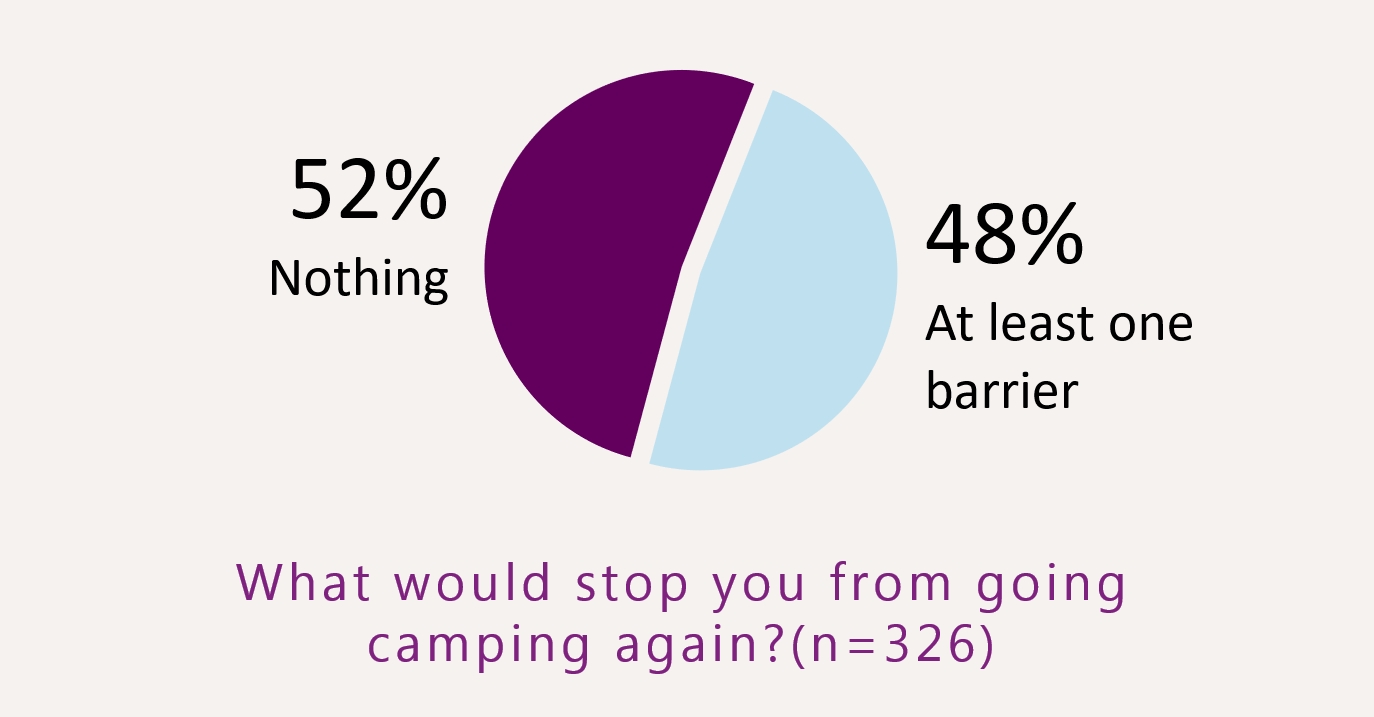
Figure 18: Any remaining barriers to camping, 2017-2023
Pie chart showing that 52% of respondents reported that “nothing” would stop them from going camping again, while 48% reported at least one remaining barrier.
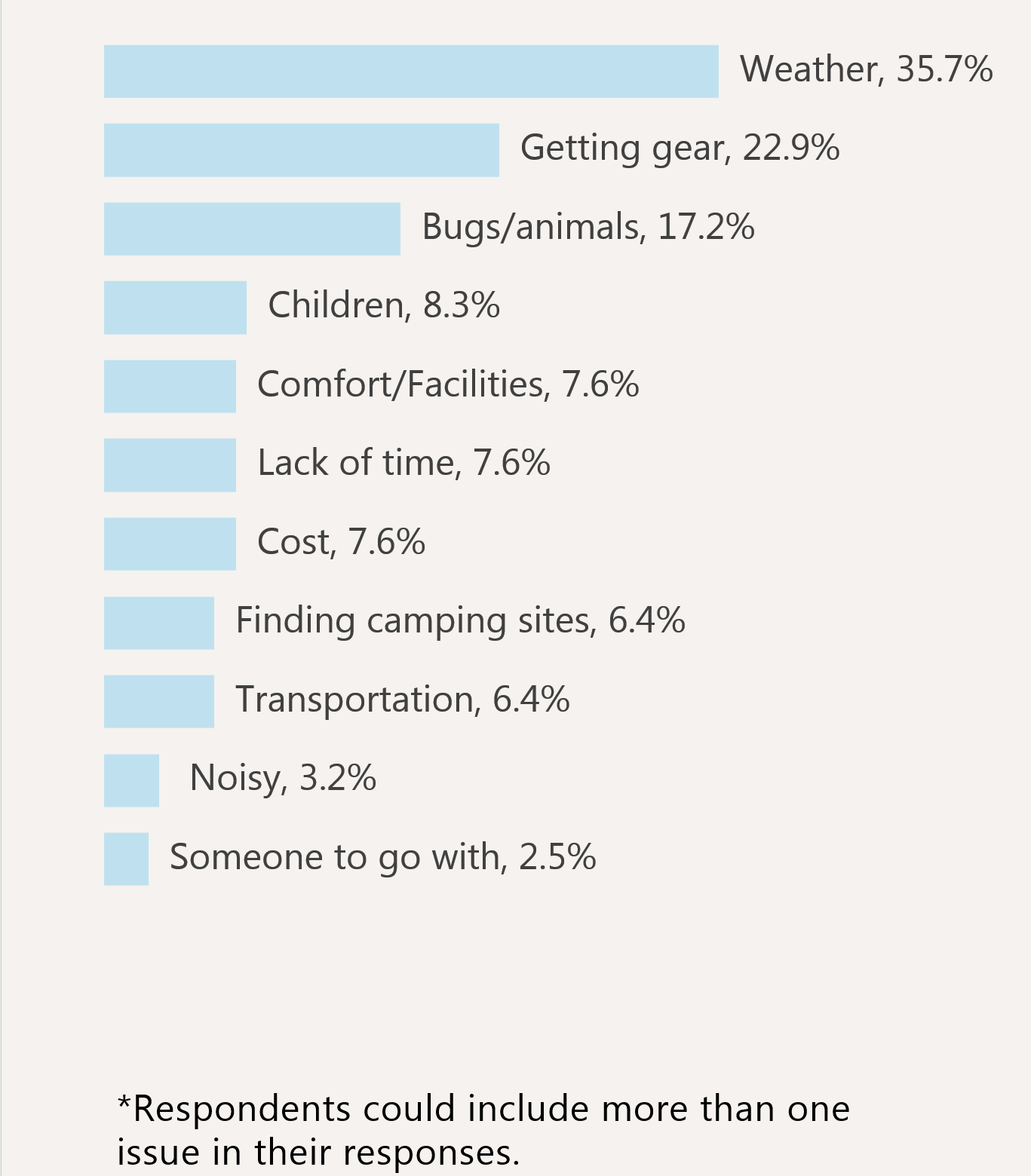
Figure 19: % of respondents who identified specific barriers
A bar graph summarizing the most commonly reported barriers to camping. The top concerns were weather, getting camping gear, and encountering bugs or other animals.
REMAINING BARRIERS
Weather, camping gear, insects, and wildlife were the most cited barriers to camping again.
Presence of Remaining Barriers
The feedback form included an open-ended item asking respondents to list any issues that might prevent future camping outings.
Analysis of written responses found that just over half of the participants in the sample answered “nothing” (or something similar), as illustrated in Figure 17.
Participant-Identified Barriers
Among the 48% of respondents who listed any kind of remaining barrier, the most common response was rain or poor weather, followed by not owning camping gear, and concerns over insects and animals.
Smaller sub-sets of respondents reported finding camping challenging with young children, wished for more comfort and/or access to facilities like showers, or felt costs and time commitments still limited their likelihood of camping again.
Transportation to camping areas was also noted as well as not being certain where or how to find campsites that would be most appropriate.
Lastly, a few respondents noted issues with noise or felt they lacked someone more knowledgeable and/or interested to go camping with in the future.
Ultimate Outcomes
- Participants build connections to nature and protected places
- Visitation to Parks Canada protected places increases, especially from urban locations
Data sources for this analysis match those used to assess intermediate outcomes, meaning urban hub partners and the campers feedback form.
It was also noted that LTC staff began to collect email addresses from overnight campers in 2022 for the purpose of gaining insights from past participants. However, interviews confirmed that follow-ups surveys were never implemented.
Findings
Results from the overnight feedback forms (see Figure 18) indicate that by the end of the event, most campers strongly agreed that they felt more connected to nature and more interested in heritage places.

Figure 20: % Agreement interest in heritage places and feeling connected to nature
Two donut pie charts indicating the percentage of respondents that agreed they had interest in heritage places, and felt connected to nature. The top pie chart indicates that 93% of people believed LTC activities increased their interest in national parks and historic sites. The bottom pie chart indicates that 93% of people felt more connected to nature.
While these results reflect positively on the design and delivery of overnight experiences, the degree to which these changes persisted, and/or contributed to new recreational behaviour patterns, is still unknown, as follow-up studies were not conducted.
Data collected from urban hub partners were similarly inconclusive in terms of whether participants went on to spend more time in nature, though most of the partners consulted felt that knowledge and confidence barriers were effectively lessened.
Finally, some hub partners also expressed their belief that LTC experiences were memorable and meaningful even without lasting shifts in behaviour, reporting that the chance to try “iconic” Canadian activities, like camping, skiing, or skating, in a friendly and supportive setting fostered a sense of inclusion among their community members, especially among newcomers to Canada.
Notes on Performance Data
As noted in various sections of this report, data gaps related to target audiences (see p. 23), limited feedback sources (see p. 26), and long-term program outcomes (see above) made it challenging to assess the impacts of the LTC Program over time, and beyond the relatively small number of people who took part in overnight camping events (see Figure 13 on p. 31).
These gaps also limited analyses of program results by target audiences (racialized people, urban residents with young children, people with disabilities, low-to-middle income Canadians, see p. 24) making it difficult to assess whether these groups experienced the camping events in different and/or equitable ways.
To better understand the factors underlying these gaps, a targeted file and policy review was conducted, supported by interviews with relevant Parks Canada staff. Findings from this exercise are summarized on the following page.
Performance Measurement Review
Two key observations, described below, emerged from a review of LTC performance measurement commitments, which focused on the indicators and strategies listed in the Program’s most recent Treasury Board Submission, approved in 2022.
It was first noted that while plans for performance measurement were developed with the support of several Parks Canada internal service units (including GBA Plus, the Office of Internal Audit and Evaluation, the Access to Information and Privacy Office, and Performance and Analytics), these plans were not revisited with those units after funding was confirmed in 2022.
While this reflects program staff’s ultimate responsibilities to collect data committed to in funding submissions, evidence also suggests that this led to missed opportunities for LTC staff to address implementation challenges and clarify any areas of uncertainty.
Relative to this, evaluators also found that processes meant to support data monitoring, such as updating the Visitor Experience Performance Information ProfileFootnote 10 to reflect new indicators and the inclusion of LTC data collection needs in Parks Canada’s five-year Departmental Evaluation Plan, were not completed.
While not a formal requirement, it was further noted that Parks Canada’s GBA Plus Office did not follow up with LTC staff about the new identity-related indicators included in the funding submission (see p. 22).
This may have provided additional opportunities to share and confirm data needs, as interviews also found low levels of awareness about the new audiences listed in the 2022 GBA Plus strategy (racialized Canadians and people with disabilities) among urban hub staff.
Lastly, and more broadly, interviews with Parks Canada staff found that policies and best practices for collecting monitoring, evaluation, and reporting data required clarification. Key areas for this included how to collect personal information in alignment with privacy laws and GBA Plus requirements (also noted on p. 24) as well as guidance for collecting feedback or other opinion-based data from program participants for evaluation purposes (see Annex A p. 47 for more details).
These findings are addressed in Recommendation 1
Key Findings
Evidence presented in this section speak to the quality of LTC’s overnight camping and paddling experiences, which were seen by participants and local urban hub partners as highly enjoyable, effective at sharing new skills, and welcoming to diverse groups.
Important data gaps were also noted, particularly in terms of the Program’s long-term outcomes and target audiences. A file and policy review identified opportunities to better support the collection of program performance data.
Efficiency
Resources and Planned Expenditures
Program Resources
Since its expansion, LTC has primarily been supported by external funds, with some supplemental resources provided by Parks Canada operational budgets.
In 2016, LTC received $6.3 million over five years (2016-17 to 2020-21) from the federal government to create the expanded version of the Program. Funding was then renewed in Budget 2021, with $5.95 million allocated for fiscal years 2022-23 to 2026-27.
Additionally, LTC’s student workforce, typically in teams of six to eight per urban hub, has been supported by two funding programs, beginning with the Green Jobs Initiative (2017-18 to 2019-20), and followed by the Youth Employment and Skills Strategy (YESS). Some hubs also offer positions through the winter for program delivery and development.
Finally, a national partnership with Mountain Equipment Company (MEC) in place from 2017 to 2024 provided financial contributions as well as sufficient camping equipment for each of the urban hubs.

Figure 21: LTC budget allocations, 2022-23 to 2026-27
A bar chart summarizing budget allocations for the LTC Program. Salaries are consistently the largest category, roughly twice as much as good and services, with the exception of projections for the final year (2026-27) which will have fewer staff.
Figure 19 above provides an overview of planned annual spending for the LTC Program from 2022-23 to 2026-27. Salaries and wages made up the largest proportion, followed by goods and services, and internal servicesFootnote 11.
Lower projected spending in 2026-27 reflects the closure of the Ottawa urban hub in 2025-26 and the winding down of activities in the Program’s final season.
Notes on Financial Data
Tracking LTC expenditures across the Program’s timeline was challenging due to changes in funding sources and financial coding. Beginning in 2017-18, LTC spending was tracked as a component of the Canada 150 initiative. After new funding was announced in Budget 2021, a dedicated funding code was used to capture program expenses.
Isolating LTC expenditures prior to 2022-23 required filtering Canada 150 expenditures by internal order descriptions, retaining items tagged “Learn-to Camp” or “Initiation au camping”. This method may have excluded expenditures coded to other internal order numbers.
However, reported expenditures from 2022-23 and 2023-24 aligned with the allocations summarized in Figure 19, totalling approximately $1.1 million and $1.2 million, for each respective fiscal year.
Program Efficiency
The Learn-to Camp Program was well-resourced and efficient, allowing for program offerings to be free or set at affordable levels for participants.
Program efficiency was assessed through a review of LTC program structures, financial and pricing information, and interviews with staff from the LTC hubs and Parks Canada’s External Relations and Visitor Experience Directorate (ERVE).
Efficient Program Delivery
There was broad agreement among interviewees that since its kickoff in 2017, LTC has benefitted from the appropriate human, financial, and material resources to meet its program objectives as well as the necessary supports from ERVE and field units to manage LTC in an efficient manner.
Program Structures
LTC’s delivery model and support structures were generally perceived as efficient and effective by Parks Canada staff, including field unit superintendents and managers, urban hub coordinators, and ERVE staff.
This included the urban hub model as well as LTC’s three -part continuum of activities (see p.12), which leverages its less resource-intensive outreach component to drive awareness and generate high contact numbers, helping the urban hubs meet their reach objectives while still supporting the delivery of rich hands-on learning experiences.
Highlights of the urban hub model, as reported by LTC staff, focused on its local grounding and flexibility, with each hub able to make programming choices relevant to their context and the priorities of their field units, within the broader national framework provided by ERVE.
Moreover, while field units were described as providing local knowledge and administrative supports, ERVE’s LTC team were seen as helping program continuity, supporting new coordinators as needed and providing guidance in areas like staffing, programming, and media requests.
Hub coordinators also felt that regular information-sharing sessions, facilitated by LTC’s national coordinator, helped program efficiency by disseminating best practices and lessons learned.

Figure 22: LTC Urban Hubs financial planning cycle
Illustration of a budget planning cycle. Beginning with the submission of draft budgets to ERVE, followed by a transfer of funds, the delivery of summer programming, end of season reporting, submissions for additional seasons if needed, confirmation of student staffing for the next year, and ending with ERVE confirming final annual spending.
Planning and Operations
Figure 20 above provides an overview of LTC’s financial and reporting cycle. Funds are held centrally by ERVE and distributed annually to urban hubs and sites with LTC programming.
From 2017-18 to 2020-21, urban hubs received a goods and services budget of $80,000, with some capacity to carry funds into the next fiscal year. After 2021-22, this was adjusted to $20,000 without carry-over. Via periodic reviews with ERVE, hubs have also been able to access additional funding or return unused portions of their budgets.
Records indicated that redirected funds were applied to operational challenges as well as invested in the development of new offerings, covering expenses such as equipment purchases, facility improvements, or training.
Reported operational challenges were often facility-based, like insufficient gear storage or urban campsites lacking public washrooms, both of which were managed by renting the needed amenities. That said, other issues, such as the campground closure at Rouge National Urban Park, were addressed by holding fewer overnight events in favour of workshops or other Learn-to options.
Other operational challenges reported in key informant interviews included some event fatigue among site staff and a need to clarify when LTC students could support other field unit activities, particularly in instances where field units were facing an emergent issue or were in temporary need of additional staff.
Affordability
Finally, while LTC staff felt that the Program had sufficient resources, it was noted that in the context of minimizing barriers to outdoor recreation, “sufficient” included the capacity to offer low-cost activities and mitigate distance-related barriers, as highlighted in Figure 21.
For overnight events in particular, this resulted in hubs absorbing much of the costs associated with transporting participants and/or adapting urban sites by renting amenities like portable toilets or large event tents, rather than reflecting these added expenditures in participant fees.
Document reviews confirmed that fees for overnight events and other Learn-to events, were considered against the Program’s goals of minimizing financial barriers, with staff receiving approvals to operate below cost-recovery levels, even though these events, outside of a program such as LTC, would typically be considered premium experiences by Parks Canada.
Based on a 2022 analysis of expenditures and revenues, which found that the average cost of a single overnight event (including staff time, transport, consumables etc.) was $4,670, a baseline for overnight event fees was set by ERVE at 41% of cost recovery for the 2023-24 seasonFootnote 12. Subsequent augmentations, when applied by urban hubs, were then limited to the Consumer Price Index.

Figure 23: LTC program design for costs and distance barriers, 2017 to 2024
Summary of LTC's program design elements related to cost and distance barriers. Elements include free or low-cost activities, having hubs in urban centres, using mobile outreach, holding events at transit-accessible sites. Related program data include program expenditures and pricing info.
Key Findings
Financial documents and key informant interviews provided sufficient evidence that the LTC Program made efficient use of its resources, while also leveraging funds to explore new programming and maintain the affordability of events charging user fees.
Partnerships
Local and national partnerships helped build the Learn-to Camp Program, lessening costs and helping urban hubs to reach and serve target audiences.
Partnership impacts and results were assessed through review of documents and financial information, interviews with LTC staff, and data collected from LTC hub partners.
National Partnership
From 2011-12 to 2024-25, the LTC Program maintained a national partnership with Mountain Equipment CompanyFootnote 13 (MEC) which provided camping and outdoor equipment, support for overnight events, and promotion of LTC on the MEC website. Between 2021-22 to 2023-24, MEC also provided $75,000 per fiscal year to Parks Canada.
Equipment supplied included tents, camping stoves, sleeping bags, sleeping mats, and other items used in the delivery of LTC overnights and workshops. Equipment donations between 2021 and 2024 were valued at around $25,000 per year.
In return, MEC was identified as a national LTC partner, and its logo was featured on promotional outreach tools, social media, and presentations, as pictured in the image below.
Urban Hub Partners
LTC hub staff described local partnerships as central to achieving their goals. Key supports included recruiting participants, hosting outreach events, overnight events, and/or workshops, as well as delivering training.
Analysis of hub partner lists from the previous five years, including formal relationships with signed agreements as well as informal ties, found that each hub had well-developed networks within their regions.
Recurring organization types included public libraries, welcome and resettlement centres for new Canadians, local museums, and both municipal and provincial parks. Less common were partnerships with advocacy groups for communities such as people with disabilities.
Partnership-based access to locations for overnight events was particularly helpful for hubs without on-site or nearby access to Parks Canada campgrounds, including Vancouver and Toronto (after the closure of the Rouge campground). Organizations offering these kinds of sites included provincial park agencies as well as municipal parks.
Other hub partners such as museums, libraries, community and welcome centres also played an important role in providing venues for outreach and workshops. That said, interviewees expressed that some partnerships were more effective than others in achieving these goals. For example, some interviewees described challenges with partners – such as public libraries – who did not have adequate reach to promote events.
Partnerships were also felt to be the most efficient way of reaching target audiences through workshops and overnight events as well as a means of providing specialized training to hub staff, such as techniques for better serving neuro-divergent participants. Private overnight events with participants recruited from community organizations were often seen by staff as the most effective means of reducing knowledge and experience barriers.
LTC Partner Perspectives
In response to open-ended questions about their experiences of working with LTC, partners expressed their appreciation for the friendliness of staff and their adaptability, as LTC activities could be modified to better suit participants’ needs.
Reported challenges were limited, with only one partner noting occasional issues with adapting to the needs of language learners, such as remembering to speak with a slower cadence.
Unexpected Outcomes
Finally, some local partnerships were described as having yielded results beyond LTC programming goals. Staff from the Fortress of Louisbourg National Historic Site reported significant benefits to their volunteer program via a partnership with the Canadian Coast Guard College, members of that organization having returned to volunteer at other events held at the site, supporting Louisbourg’s visitor offer and enabling the site to host events outside of the summer months.
Key Findings
National partnerships provided benefits to the LTC Program as a whole, reducing equipment costs and helping to promote the Program across Canada. Local partnerships were especially helpful to LTC urban hubs in granting access to community spaces and reaching target audiences.
Recommendation and Management Response
Recommendation 1
The Vice-President, Strategic Policy, Business and Digital Services, should ensure that data collection commitments included in approved funding proposals for the measurement of program performance are clearly communicated to the relevant internal service business units (which may include the Office of Internal Audit and Evaluation, Access to Information and Privacy, GBA Plus, and Performance and Analytics) and that resulting actions are confirmed between those business units and the program staff.
While monitoring performance is the responsibility of program staff, ensuring internal service business units receive updates and confirm required actions would provide opportunities to:
- Confirm that program performance indicators align with those established in Parks Canada’s Performance Information Profiles, or that any new performance indicators are added to those profiles;
- Ensure that performance data collection strategies are in place, including GBA Plus data requirements;
- Clarify policies and procedures, such as those governing the collection of personal information and means of protecting privacy; and,
- Ensure public opinion research components of planned evaluations are included in Parks Canada’s Risk-Based Audit and Evaluation Plan, as required.
For key findings related to the above recommendation, please refer to the following sections::
- Target Audiences; Notes on Audience Data, pp. 23-24
- Minimizing Barriers; Notes on Performance Data , pp. 36-37
Management response
Agreed. The Vice-President, Strategic Policy, Business and Digital Services (SPBD), will ensure that the outcomes of successful funding proposals that include program performance measurement commitments are communicated to relevant internal service business units. SPBD will also confirm with program areas and relevant internal service business units that required performance measurement elements are understood and addressed, including alignment with Parks Canada’s Performance Information Profiles, data collection strategies (including GBA+ considerations), and privacy requirements related to personal information. The Office of Internal Audit and Evaluation will ensure that evaluation planning requirements from successful funding proposals are integrated into the annual Risk-Based Audit and Evaluation Plan.
ANNEX A: Evaluation and Public Opinion Research
As noted on p. 37, a review of performance management results for LTC identified areas of uncertainty around data collection roles and practices, including distinctions between evaluations and public opinion research, which are subject to different governmental policies.
Performance Information
Under the Policy on Results, departments and agencies are required to measure and evaluate their performance and use that information to manage and improve programs, policies and services.
The Directive on Results (which operationalizes the Policy) states that program officials are responsible for the ongoing collection of valid, reliable, and useful performance data for both managing their programs and meeting performance reporting requirements, including for evaluations and Treasury Board submissions.
Program Evaluation
Program evaluation is defined in policy as the systematic collection and analysis of evidence on program outcomes to make judgments about their relevance and performance.
Evaluators typically use information collected by programs while also designing and implementing additional research activities to generate evidence. Methods draw from the social sciences and are selected by evaluators in relation to research questions and policy guidance (such as considering GBA Plus requirements).
Methods must be documented and justified in evaluation plans, with oversight provided by a Head of Evaluation and evaluation committees. Departments and agencies maintain five-year Departmental Evaluations PlansFootnote 14 which list upcoming mandatory (or legally required) and discretionary evaluations.
Public Opinion Research
Public opinion research within the Government of Canada is the planned gathering of opinion-based information, such as attitudes, perceptions, or views, from target audiences to provide insight and support decision making.
These activities are subject to the Policy on Communications and Federal Identity and guided by the Directive on the Management of Communication and Federal Identity.
Common public opinion research methods, also drawn from the social sciences, include surveys, research panels, interviews, and focus groups. Activities not considered public opinion research by the Government of Canada include:
- Consultations or engagement activities;
- Usability testing;
- Behavioural or factual research;
- Literature reviews or reviews of secondary sources;
- Secondary data analysis.
In addition, public opinion research components of program evaluations are not subject to the directive cited above when they are part of Departmental Evaluation Plans.Footnote 15